

Ever sat in a class and felt like the material just didn’t click-even though you were trying? You’re not alone. Millions of adults go back to school, switch careers, or pick up new skills later in life, and many struggle because the way they’re taught doesn’t match how they actually learn. That’s where adult learning theory comes in. It’s not just about being older in a classroom. It’s about understanding how grown-ups learn differently from kids-and why traditional teaching methods often fail them.
Why adult learning isn’t just school for grown-ups
Most people picture learning as sitting in rows, listening to a teacher, taking notes, and studying for a test. That works for kids because their brains are wired to absorb information from authority figures. But adults? They’ve lived. They’ve made mistakes. They’ve figured out what works for them. When you’re 35 and trying to learn Excel for a new job, you don’t want to sit through a lecture on cell formatting. You want to know: How does this help me get promoted?
Adult learning theory, also known as andragogy, was first clearly defined by educator Malcolm Knowles in the 1970s. He flipped the script on pedagogy (child-focused teaching) and said: adults need to know why they’re learning something before they’ll invest the time. They need to feel in control. They bring experience to the table-and that experience should be used, not ignored.
The five core principles of adult learning
If you’re new to adult learning theory, start with these five practical rules that make all the difference:
- Self-direction: Adults want to choose what they learn and how. Giving someone a rigid syllabus without flexibility is a recipe for disengagement. Instead, offer options: "Here are three paths to learn project management-which one fits your goals?"
- Relevance: If the lesson doesn’t connect to real life, adults tune out. Teaching grammar rules to someone learning English for work? Start with writing emails, not memorizing verb conjugations.
- Experience as a resource: Adults aren’t empty vessels. They’ve worked, raised kids, fixed cars, managed budgets. Good instruction asks: "What have you tried before?" and builds from there. A 50-year-old returning to math doesn’t need to start with addition-they need to rebuild confidence by solving a budgeting problem.
- Problem-centered learning: Adults learn best by solving real problems, not by memorizing theory. Teaching cybersecurity? Don’t explain encryption algorithms first. Ask: "How would you spot a phishing email in your inbox?" Then teach the tools to fix it.
- Intrinsic motivation: Adults don’t learn for grades. They learn because they want to get better, get a raise, help their kids, or finally understand how their smartphone works. External rewards like certificates help-but the real driver is personal purpose.
How adult learners differ from children
Think of children as learners who are still building their mental framework. Adults already have one. They’ve formed habits, opinions, and beliefs about learning. That’s why an adult might resist learning a new software tool-not because they’re stubborn, but because they’ve been burned before. Maybe they tried learning Photoshop ten years ago and quit after one frustrating session.
Children learn because they’re told to. Adults learn because they choose to. That means motivation isn’t something you can force. It has to be sparked. A teacher might say, "This course will help you get certified." But the adult learner is thinking: "Will this help me get out of debt? Will it let me work from home? Will it make my job less stressful?"
That’s why adult education programs that succeed don’t just deliver content. They answer the question: What’s in it for me?

Real-world examples that work
Take a single mother in Dublin working two jobs, trying to earn her nursing assistant certification. She’s not in class because she loves textbooks. She’s there because she wants to earn more, have better hours, and give her kids a stable future.
A program that works for her:
- Offers evening and weekend classes
- Uses case studies from real healthcare settings
- Connects her with mentors who’ve made the same transition
- Shows her exactly how each skill translates to job tasks
- Allows her to skip modules she already knows from her work as a caregiver
Compare that to a traditional college course: rigid schedule, abstract theory, no connection to her life. No wonder dropout rates are high.
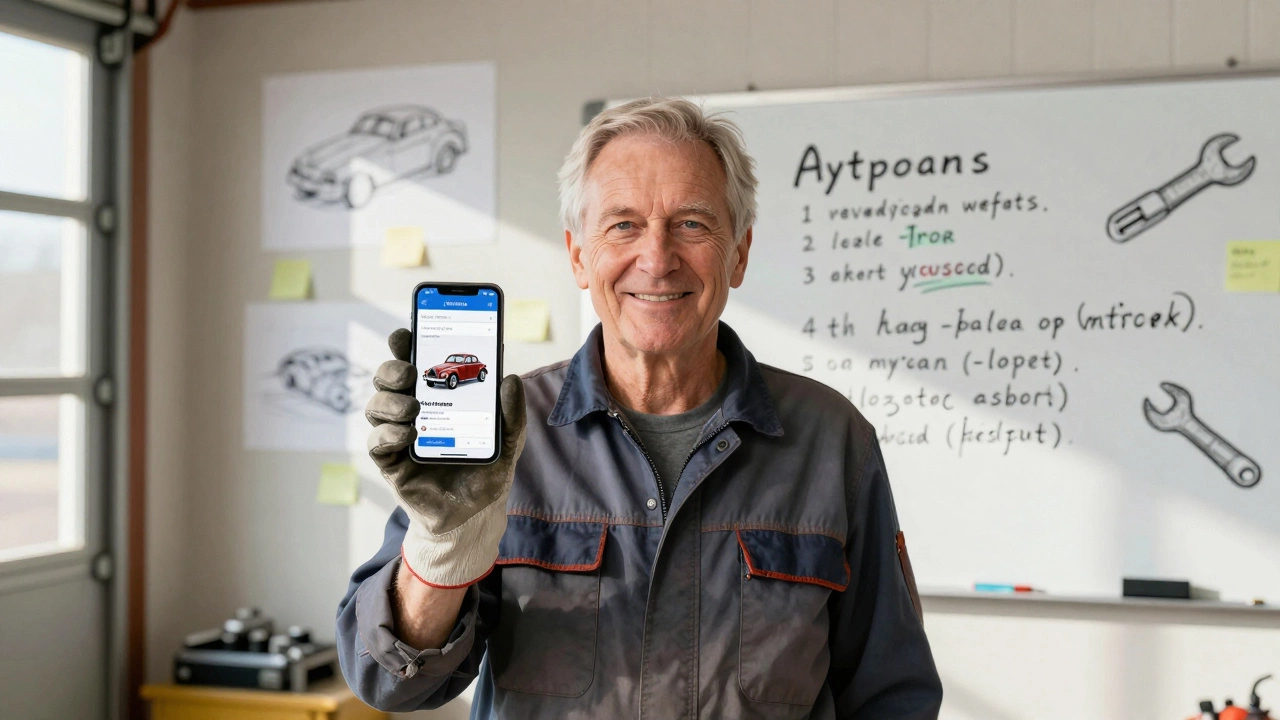
Another example: a retired mechanic learning to code. He doesn’t need to know the history of Python. He needs to build a simple app that tracks his vintage car parts inventory. That’s his problem. That’s his motivation. The theory comes later-after he sees it works.
What doesn’t work in adult learning
Many adult education programs fail because they treat learners like students in high school. Here are the most common mistakes:
- Starting with theory before application
- Using one-size-fits-all materials
- Ignoring prior experience
- Not allowing learners to set their own pace
- Focusing on passing tests instead of real-world competence
Online courses that just dump videos and quizzes onto a platform are often useless. Adults need interaction. They need feedback. They need to feel seen.
One study from the UK’s Adult Learning Inspectorate found that adult learners who had regular one-on-one check-ins with a coach were 73% more likely to complete their course than those who didn’t. Why? Because someone asked: "How’s this going for you?" and listened.
How to apply adult learning theory in your own life
You don’t need to be a teacher to use these ideas. If you’re learning something new-whether it’s Spanish, budgeting, or woodworking-ask yourself:
- Why am I doing this? (Be honest. Is it to impress someone? Or to actually use it?)
- What have I tried before that worked or didn’t?
- Can I learn by doing, not just reading?
- Can I break this into small, useful tasks instead of one big goal?
- Who can I talk to who’s already done this?
For example, if you’re learning to cook:
- Don’t read a 300-page cookbook. Start by making one meal you love, but from scratch.
- Watch a 10-minute YouTube video of someone doing it.
- Ask a friend who cooks well to watch you try it.
- Fail once. Then try again. That’s learning.
Adult learning isn’t about perfection. It’s about progress. And progress only happens when the learning fits your life-not the other way around.
Tools and resources that support adult learners
Today, there are more tools than ever to support adult learning:
- Mobile learning apps like Duolingo or Khan Academy let you learn in 10-minute chunks during lunch or while waiting for the bus.
- Community colleges often offer flexible, low-cost programs designed specifically for adults.
- Peer learning circles-small groups of adults meeting weekly to support each other-are growing in cities like Dublin, Belfast, and Cork.
- Micro-credentials (short, focused certifications) from platforms like Coursera or FutureLearn let you prove skills without a full degree.
These tools work because they respect adult learners’ time, experience, and goals.
Is adult learning theory only for formal education?
No. Adult learning theory applies to any situation where adults are learning something new-whether it’s learning to use Zoom, changing careers, studying for a driving test, or even picking up gardening. The principles of relevance, self-direction, and experience-based learning work everywhere. You don’t need a classroom to apply them.
Can adults learn as well as younger people?
Absolutely. The brain doesn’t stop learning after age 20. Adults may learn new facts more slowly, but they learn deeper and longer because they connect new information to what they already know. A 45-year-old learning French will remember vocabulary better if it’s tied to a real-life situation-like ordering coffee in Paris-than a teenager memorizing word lists for a test.
What if I’ve failed at learning before?
Past failure doesn’t predict future results. Many adult learners quit because the method didn’t fit them-not because they couldn’t learn. Try a different approach: switch from reading to doing, find a peer group, or focus on one tiny skill instead of the whole subject. Progress, not perfection, is the goal.
Do I need a degree to benefit from adult learning theory?
No. Degrees are one path, but not the only one. Adult learning theory is about improving your life through learning-not collecting credentials. Whether you’re learning to fix your bike, manage your stress, or write better emails, the principles still apply. Real competence matters more than paper.
How do I find good adult learning programs?
Look for programs that ask you about your goals before you start. Ask: Do they let you choose your pace? Do they use real-life examples? Do they let you skip what you already know? Avoid programs that feel like high school. The best ones treat you like an adult-with respect, flexibility, and real-world relevance.
Final thought: Learning never stops
Adult learning theory isn’t a fancy academic concept. It’s common sense. People learn best when they’re ready, when it matters to them, and when they’re treated like capable, experienced humans-not students. If you’re learning something new right now-whether it’s for work, family, or just because you want to-you’re already applying this theory. You just didn’t know it had a name.
The next time you feel stuck, remember: it’s not you. It’s the method. Change the method. Keep going.









Write a comment