Best Teaching Method for Adults: Andragogy & Active Learning
Discover the most effective teaching methods for adults. Learn why andragogy, active learning, and leveraging experience beat traditional lectures. Get practical strategies.
Read more
Ever wonder why teaching grown‑ups feels different from teaching kids? That’s the core of andragogy – the art and science of helping adults learn. It’s not a fancy buzzword; it’s a set of ideas that let you design lessons that actually stick for people who have jobs, families, and real‑world experience.
Andragogy was coined by Malcolm Knowles in the 1970s. He boiled adult learning down to a few key principles: adults need to see why something matters, they bring their own experiences to the table, they like to be self‑directed, and they want learning to solve real problems.
Think about it: if you’re a teacher explaining a new software tool, an adult learner will ask, “How does this help me at work?” A child, on the other hand, might just want to finish the activity. That difference drives how you structure the lesson.
One popular framework that lives inside andragogy is the 70‑20‑10 model. It says 70 % of learning happens on the job, 20 % from coaching or feedback, and 10 % from formal courses. In plain terms, most growth comes from doing, not just listening.
Start with a clear purpose. Before you launch any session, ask yourself: what problem will this solve for the learner? Write that goal at the top of your slides or handout. When adults see the “why,” they’re more likely to stay engaged.
Tap into their experience. Ask participants to share a quick story that relates to the topic. Those stories become case studies that make abstract ideas concrete. For example, in a workshop about time‑management, let a teacher describe a day that went off the rails and then work together to fix it.
Give control. Instead of a lecture‑only format, let learners pick the order of activities or choose a project that interests them. Even a simple “choose your own path” worksheet can boost ownership.
Blend learning modes. Use short videos (the 10 % formal part), then have learners apply the concept in a real task (the 70 %). Follow up with a quick coaching call or peer review (the 20 %). This mix mirrors how adults naturally grow on the job.
Provide instant feedback. Adults hate waiting for grades; they want to know right away if they’re on track. Use quizzes with explanations, live demos, or a checklist they can tick as they go.
Finally, keep it relevant. If you’re teaching about remote work, include tools like Zoom or Teams that the learners actually use. Tie every example back to the workplace, home life, or hobbies.
By weaving these andragogical tricks into your lessons, you’ll see better retention, higher motivation, and faster results. Whether you’re a school teacher, corporate trainer, or community volunteer, treating adults as self‑directed problem solvers makes the whole learning experience smoother.
So next time you plan a session, remember the three quick checks: Why does it matter? How can learners bring their experience? What’s the real‑world task they’ll do? Knock those three out, and you’ve built an adult‑focused lesson that works.
And if you want more ideas, check out our posts on the 70‑20‑10 theory, teaching adults for the first time, and the differences between distance education and online learning. They dive deeper into each principle with practical tips you can copy right away.

Discover the most effective teaching methods for adults. Learn why andragogy, active learning, and leveraging experience beat traditional lectures. Get practical strategies.
Read more
Discover the 7 rules of adult learning based on Andragogy. Learn why experience, autonomy, and problem-solving matter for lifelong learners.
Read more
Discover the four essential pillars of adult learning: self-direction, experience, readiness, and problem-solving. Learn how to apply these principles to master new skills efficiently.
Read more
Discover the 5 core needs of adult learners defined by andragogy. Learn how relevance, autonomy, experience, readiness, and problem-solving drive effective education.
Read more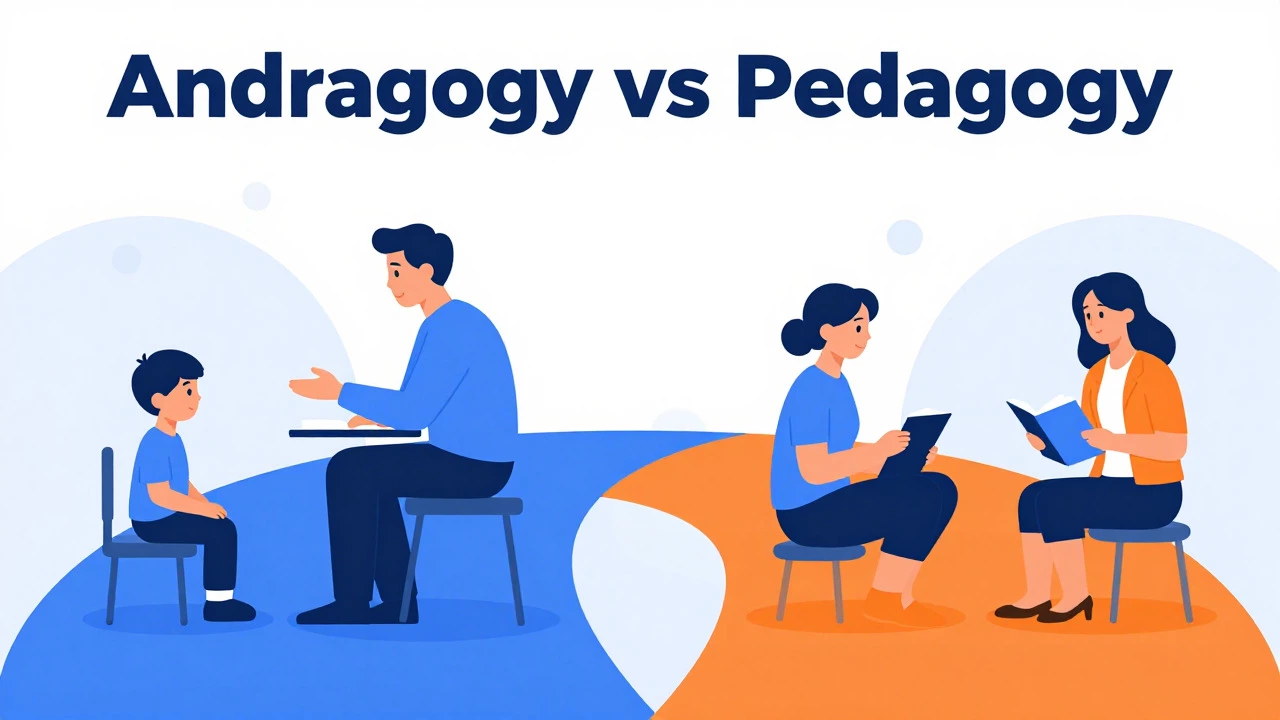
Explore the core principles of adult education theory, including Andragogy, Transformative Learning, and Experiential Learning. Learn how to apply these frameworks to create effective, engaging training for adults.
Read more
Discover the key principles of adult learning (andragogy). Learn why adults are self-directed, experience-based, and problem-centered learners, and how to apply these insights to improve education and training.
Read more
Discover who is considered the father of adult education. Explore Malcolm Knowles' andragogy, Paulo Freire's critical pedagogy, and how these pioneers shape modern learning for adults.
Read more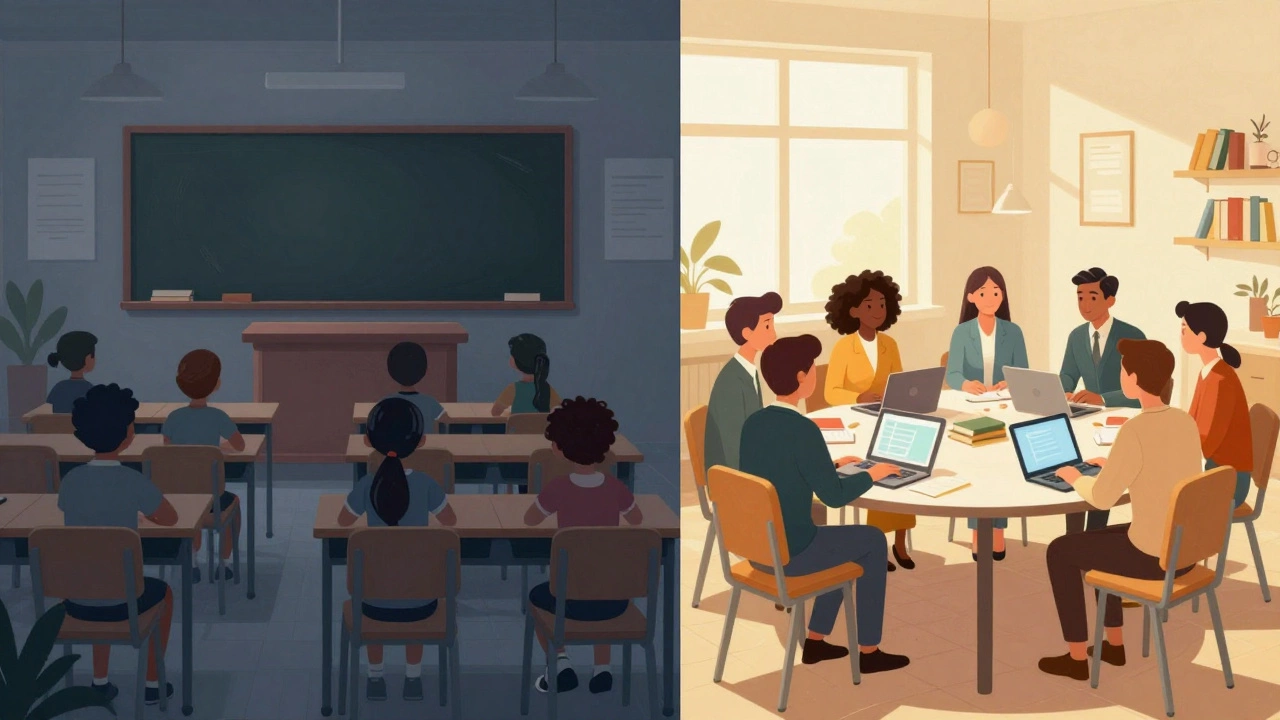
Explore the three types of adult learning: Andragogy, Heutagogy, and Transformative Learning. Understand how each theory works, when to use them, and how they improve personal and professional growth.
Read more
Discover why adults struggle to learn new skills despite high motivation. Explore cognitive barriers, time constraints, and practical strategies to overcome adult learning challenges.
Read more
The five pillars of adult learning theory explain why adults learn differently than children. They include self-direction, experience, goal-orientation, practical application, and respect. These principles drive real success in adult education.
Read more
Discover the five proven pillars of adult learning that make education stick-why adults learn differently, how experience shapes understanding, and how to apply these principles in real life.
Read more
Discover the four proven pillars of adult learning-purpose, practice, connection, and agency-that make education stick for grown-ups. No fluff, just what works.
Read more