
Pre-Exam Fuel Checker
Find out if a banana (or another snack) is the right choice for your specific situation.
Your Situation
Result Title
Explanation will appear here.
Why this works:
Fill in your details and click the button to get personalized advice.
You’re sitting at your desk, the clock ticking down to zero. Your stomach gives a low, rumbling growl that’s louder than your thoughts. Should you grab that banana from the fruit bowl? It seems like the ultimate "brain food" cliché, but does eating a banana before an exam actually boost your cognitive performance, or is it just sugar in disguise?
Here’s the short answer: Yes, for most people, it’s a smart move. But it’s not magic. It’s biology. Understanding how your body processes fuel can be the difference between feeling sharp and feeling foggy when it matters most. Let’s break down why this specific fruit works, who should skip it, and what else you need to know about feeding your brain during high-stakes testing.
The Quick Verdict on Pre-Exam Bananas
- Yes, eat one if: You haven’t eaten in 4+ hours, you feel shaky, or you need quick, sustained energy without a crash.
- No, skip it if: You have a sensitive stomach, are prone to bloating, or have already eaten a heavy meal within the last hour.
- The Key Factor: Timing. Eating it 30-60 minutes before the test allows digestion to start, preventing that sluggish "food coma" feeling.
Why Bananas Are Actually Good Brain Fuel
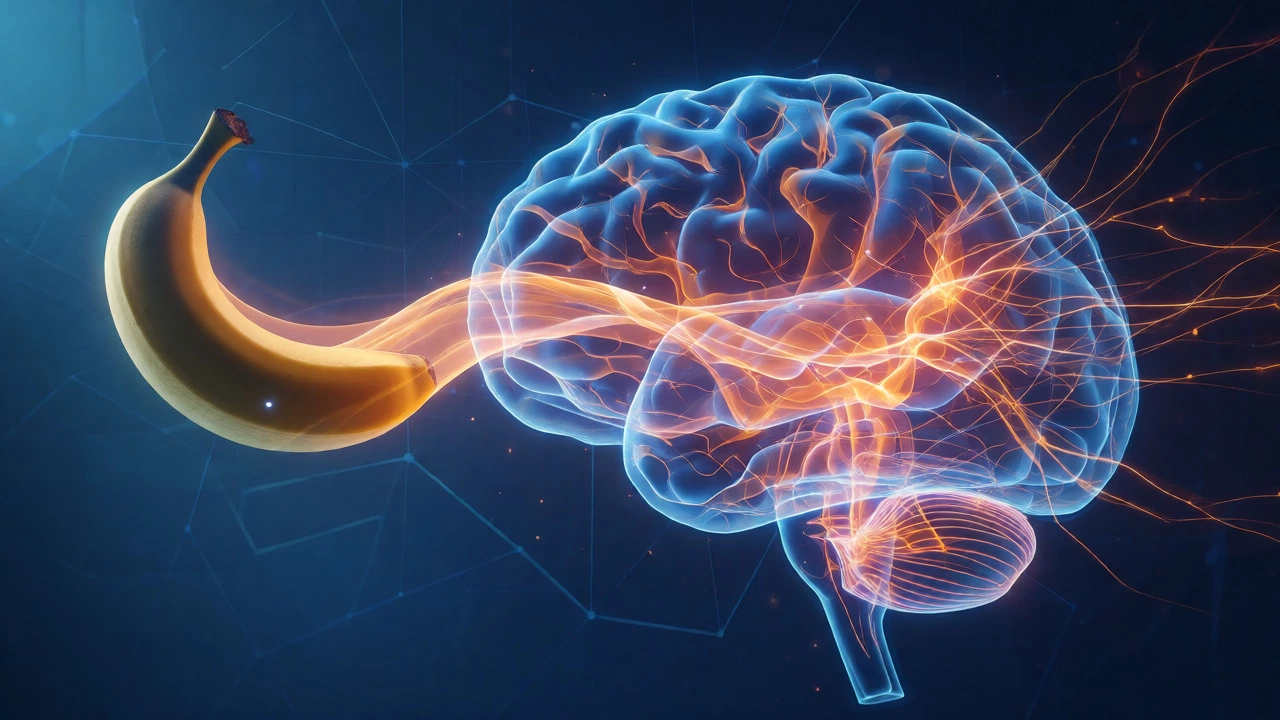
It’s easy to dismiss bananas as boring office snacks, but they pack a nutritional punch specifically tailored for mental tasks. Unlike a candy bar, which spikes your blood sugar and then crashes it hard, a banana offers a more stable release of energy. This is largely due to its composition of carbohydrates, fiber, and potassium.
Your brain runs primarily on glucose. When you take an exam, your neurons are firing rapidly, burning through glucose at a higher rate than usual. If your blood sugar drops too low-a condition known as hypoglycemia-you might experience difficulty concentrating, irritability, and even headaches. A medium-sized banana contains about 27 grams of carbohydrates. About half of this comes from natural sugars (sucrose, fructose, and glucose) for immediate energy, while the rest is starch and fiber, which slows down absorption.
Furthermore, bananas are rich in potassium. While often associated with muscle cramps, potassium plays a vital role in nerve signaling. Proper nerve function ensures that the electrical signals in your brain travel efficiently. Low potassium levels can lead to fatigue and poor concentration, making adequate intake crucial during long study sessions or multi-hour exams.
The Glycemic Index and Focus Stability
Not all carbs are created equal. The concept of the Glycemic Index (GI) measures how quickly a food raises your blood sugar levels. High-GI foods cause rapid spikes and crashes; low-GI foods provide steady energy.
Bananas sit in the middle of the GI scale, typically ranging from 51 to 69 depending on ripeness. An unripe, greenish banana has a lower GI because the starch hasn’t fully converted to sugar yet. As the banana ripens and turns yellow with brown spots, the starch breaks down into simpler sugars, raising the GI score.
| Ripeness Stage | Glycemic Impact | Best For |
|---|---|---|
| Green/Unripe | Low GI, slow release | Long exams (3+ hours), sustained focus |
| Yellow/Ripe | Medium GI, balanced release | Standard exams (1-2 hours), quick energy |
| Brown/Overripe | Higher GI, fast release | Immediate energy boost if feeling faint |
For a standard two-hour test, a ripe yellow banana is usually the sweet spot. It provides enough quick sugar to wake up your brain but enough fiber to keep you steady until the bell rings. If you’re facing a marathon session, like a full-day final, consider pairing a greener banana with some protein or fat to further slow digestion.
Potential Downsides: When Bananas Backfire
While bananas are generally safe, they aren’t perfect for everyone. Some people experience digestive discomfort when eating them on an empty stomach. This is partly due to their acidity and the way certain individuals process fructose. If you’ve ever felt a sudden urge to use the bathroom after eating fruit, you know the risk. During an exam, leaving the room isn’t always an option, so knowing your body is critical.
Another factor is tryptophan. Bananas contain small amounts of this amino acid, which the body converts into serotonin and melatonin-chemicals that promote relaxation and sleepiness. In large quantities, this could theoretically make you feel drowsy. However, the amount in a single banana is minimal compared to a turkey dinner. Most students won’t feel sleepy from one banana, but if you’re naturally sensitive to carb-induced lethargy, monitor how you feel during practice tests.
Better Alternatives and Pairings
If you’re worried about the texture or taste of bananas, or if they don’t agree with you, there are other excellent options. The goal is always the same: stable blood sugar, hydration, and no heavy digestion load.
Oats: A small cup of oatmeal is arguably superior to a banana for very long exams. Oats are low-GI and high in fiber, providing hours of steady energy. They also contain beta-glucan, which may improve memory and learning.
Nuts and Seeds: Almonds, walnuts, or pumpkin seeds offer healthy fats and protein. Fats digest slowly, keeping hunger at bay. Walnuts, in particular, are rich in omega-3 fatty acids, which support brain health over the long term. Note that nuts are calorie-dense, so stick to a small handful (about 1 oz).
Dark Chocolate: A square or two of dark chocolate (70% cocoa or higher) contains caffeine and theobromine, mild stimulants that can enhance alertness. It also improves blood flow to the brain. Just avoid milk chocolate, which is mostly sugar and fat.
Hydration: Often overlooked, water is essential. Even mild dehydration (1-2%) can impair cognitive performance, causing slower reaction times and reduced attention span. Drink water throughout the day, but time your intake so you’re not desperate for a restroom break halfway through the test.
What to Avoid Before a Test
Just as important as what you eat is what you shouldn’t. Certain foods can sabotage your focus.
- Heavy, Greasy Meals: Pizza, burgers, or fried chicken require significant energy to digest. Blood flow diverts from your brain to your gut, leading to sluggishness.
- Sugary Drinks: Soda or energy drinks give you a spike followed by a crash. The crash often hits mid-exam, leaving you irritable and unfocused.
- New Foods: Never try a new snack on exam day. If you’ve never eaten quinoa salad before, don’t start now. Stick to familiar foods to avoid unexpected allergies or digestive surprises.
- Excessive Caffeine: One coffee is fine for many. Three coffees can lead to jitters, anxiety, and frequent urination, all of which distract from problem-solving.
A Sample Pre-Exam Meal Plan
Timing is everything. Here’s a realistic schedule for a morning exam starting at 9:00 AM.
- 7:00 AM - Breakfast: Eat a balanced meal with protein, complex carbs, and healthy fats. Example: Scrambled eggs with whole-grain toast and a few slices of avocado. This sets a stable baseline for blood sugar.
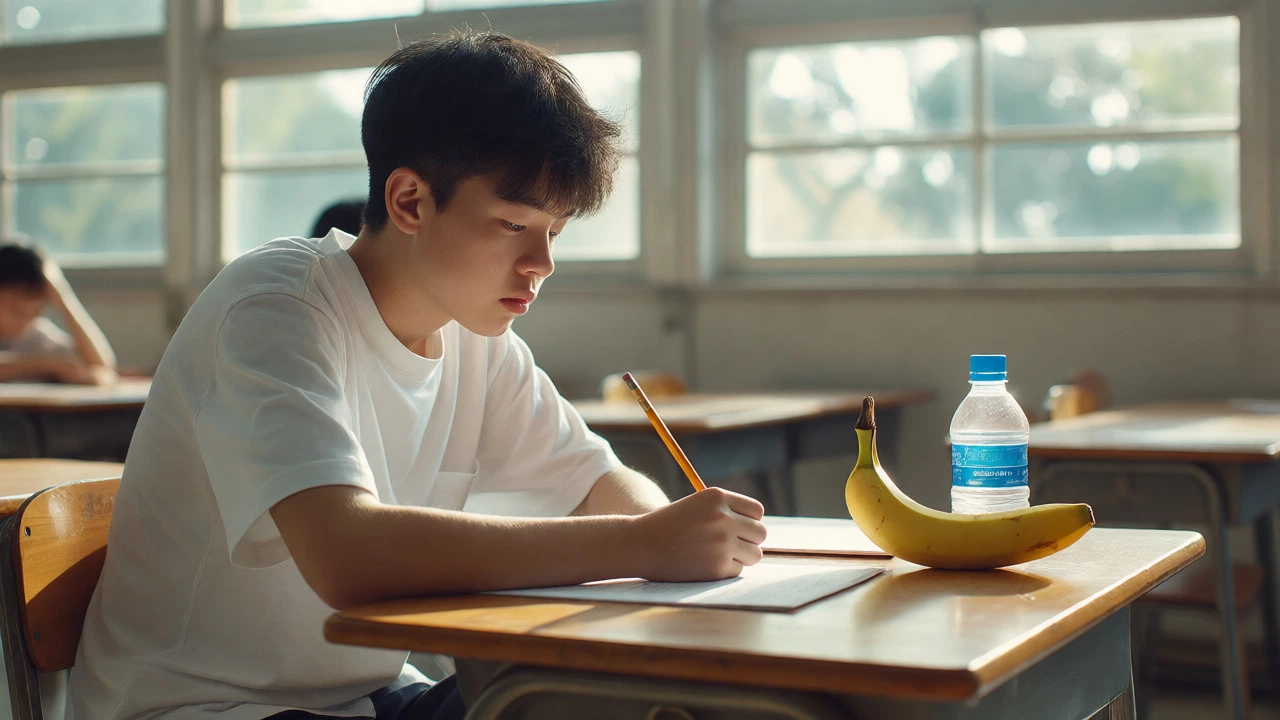
- 8:30 AM - The Snack: If breakfast was early or light, eat a banana now. Pair it with a few almonds if you want extra staying power. This tops up your glucose reserves right before the test begins.
- During the Exam: Keep a bottle of water nearby. Sip sparingly to stay hydrated without needing the bathroom constantly.
For afternoon exams, adjust accordingly. Have a normal lunch at noon, then a light snack like a banana or yogurt around 2:30 PM if your test starts at 3:00 PM.
Frequently Asked Questions
Does eating a banana really improve memory?
Eating a banana doesn't directly store memories, but it supports the conditions necessary for memory recall. By maintaining stable blood glucose levels, it prevents the brain fog and distraction caused by hunger. Additionally, nutrients like vitamin B6 in bananas help synthesize neurotransmitters like dopamine and norepinephrine, which are involved in attention and learning.
Is it better to eat a banana before or after studying?
Ideally, eat it before both. Studying requires intense focus, and taking an exam requires peak performance. Having a banana before studying helps maintain concentration during long revision sessions. Eating one before the actual test ensures you have immediate energy available when you need to retrieve information under pressure.
Can I eat a banana if I am diabetic?
People with diabetes should consult their doctor or dietitian, but generally, a small, less ripe banana paired with protein (like peanut butter or cheese) can be part of a balanced diet. The fiber and protein slow down sugar absorption, preventing sharp spikes. Monitor your blood glucose response to see how your body reacts specifically.
What if I hate bananas? What is the best alternative?
If you dislike bananas, apples are a great substitute. They also provide fiber and natural sugars, though they have a slightly different texture. Oranges offer vitamin C and hydration. For non-fruit options, a small portion of Greek yogurt with berries provides protein and antioxidants without the heaviness of a full meal.
How many bananas should I eat before a test?
One medium banana is sufficient for most people. Eating two might lead to excessive carbohydrate intake, potentially causing a heavier feeling in the stomach. Start with one and see how you feel. If you find yourself hungry again an hour later, you might need a larger breakfast rather than more snacks.
Final Thoughts: Listen to Your Body
There is no universal "perfect" exam food. Biology varies from person to person. The banana works well because it’s convenient, portable, and biologically sound for quick energy. But it’s not a cheat code. If you skipped breakfast entirely, one banana won’t save you from hours of starvation. If you ate a massive steak dinner, adding a banana might just make you uncomfortable.
Treat exam day like a athletic event. You wouldn’t run a marathon on an empty stomach or after a feast. You’d fuel up strategically. Do the same for your brain. Experiment with these tips during mock exams or homework sessions to find what keeps you sharp, calm, and focused. Then, on the big day, stick to what works. Good luck.





Write a comment