

Special Needs Syndrome Explorer
Select a syndrome below to view detailed information about its cause, cognitive strengths, challenges, and recommended educational strategies.
Down Syndrome
Genetic Cause
Abnormal cell division results in an extra full or partial copy of chromosome 21.
Primary Cognitive Profile
Mild to moderate intellectual disability; strong visual memory skills but struggles with auditory processing.
Key Strengths
Key Challenges
Recommended Educational Strategies
- Use visual aids and picture schedules.
- Provide clear, concrete instructions rather than abstract concepts.
- Utilize peer modeling for social skills.
- Allow extra time for processing verbal information.
You might hear the phrase "special needs" thrown around in school meetings or medical appointments, but it’s rarely a diagnosis on its own. It’s a bucket term. Inside that bucket are hundreds of distinct conditions, many of which stem from specific genetic changes known as syndromes. If you’re a parent, teacher, or caregiver trying to make sense of an Individualized Education Program (IEP) or a support plan, understanding the biological root can change everything. It shifts the conversation from "what is wrong with this child?" to "how does this specific wiring work?"
So, what exactly is a special needs syndrome? In simple terms, it is a cluster of symptoms that consistently occur together, often caused by a defect in one or more genes or chromosomes. Unlike a temporary illness, these are lifelong conditions that affect development, behavior, learning, and physical health. Knowing the specific syndrome helps educators predict challenges and leverage strengths. Let’s break down the most common ones you’ll encounter in classrooms and clinics.
The Big Three: Chromosomal and Genetic Giants
When we talk about syndromes that heavily impact educational planning, three names come up constantly: Down Syndrome, Fragile X Syndrome, and Williams Syndrome. These aren’t just labels; they are blueprints for how a student processes information.
Down Syndrome is a genetic disorder caused when abnormal cell division results in an extra full or partial copy of chromosome 21. This extra genetic material causes the characteristics associated with the condition. It is the most common chromosomal cause of mild to moderate intellectual disability. For educators, this means students often have strong visual memory skills but may struggle with auditory processing. They typically need repetition and clear, concrete instructions rather than abstract concepts.
Fragile X Syndrome is the most common inherited cause of intellectual disability and autism spectrum disorder. It affects males more severely than females because the gene involved is on the X chromosome. Here’s the tricky part: students with Fragile X often appear very social and eager to engage, yet they suffer from high anxiety and sensory overload. A classroom environment that works for a typical learner might be overwhelming for a child with Fragile X due to fluorescent lights or background noise.
Williams Syndrome is a rare genetic disorder caused by the deletion of genetic material from a specific region in chromosome 7. People with Williams Syndrome are often described as highly verbal, empathetic, and musically inclined. However, they frequently struggle with spatial tasks like math or puzzles. An educator seeing a student who talks beautifully but cannot grasp geometry might suspect Williams Syndrome before even looking at a medical file.
How Genetics Shape Learning Profiles
Why does knowing the syndrome matter if the goal is just to teach reading or math? Because the cognitive profile differs wildly between conditions. Two children with the same IQ score might learn completely differently based on their genetic makeup.
Take Rett Syndrome, which is a rare neurodevelopmental disorder almost exclusively affecting girls, characterized by severe cognitive impairment and loss of purposeful hand use. Children with Rett Syndrome may have limited mobility and communication abilities, requiring assistive technology and specialized physical support. Their learning isn't about traditional academics but about engagement, sensory regulation, and non-verbal communication cues.
In contrast, consider Prader-Willi Syndrome, which is a complex genetic disorder that causes poor muscle tone, low height, and insatiable appetite. Students here often face behavioral challenges related to food security and rigidity. They may excel in routine-based tasks but resist sudden changes in schedule. A teacher unaware of the Prader-Willi profile might misinterpret a meltdown over lunch as defiance, rather than a physiological drive linked to the hypothalamus dysfunction.
These examples show that "special needs" isn't a monolith. It’s a collection of unique neurological landscapes. Ignoring the syndrome leads to mismatched interventions. Recognizing it allows for targeted strategies.
Sensory Processing and Behavioral Overlaps
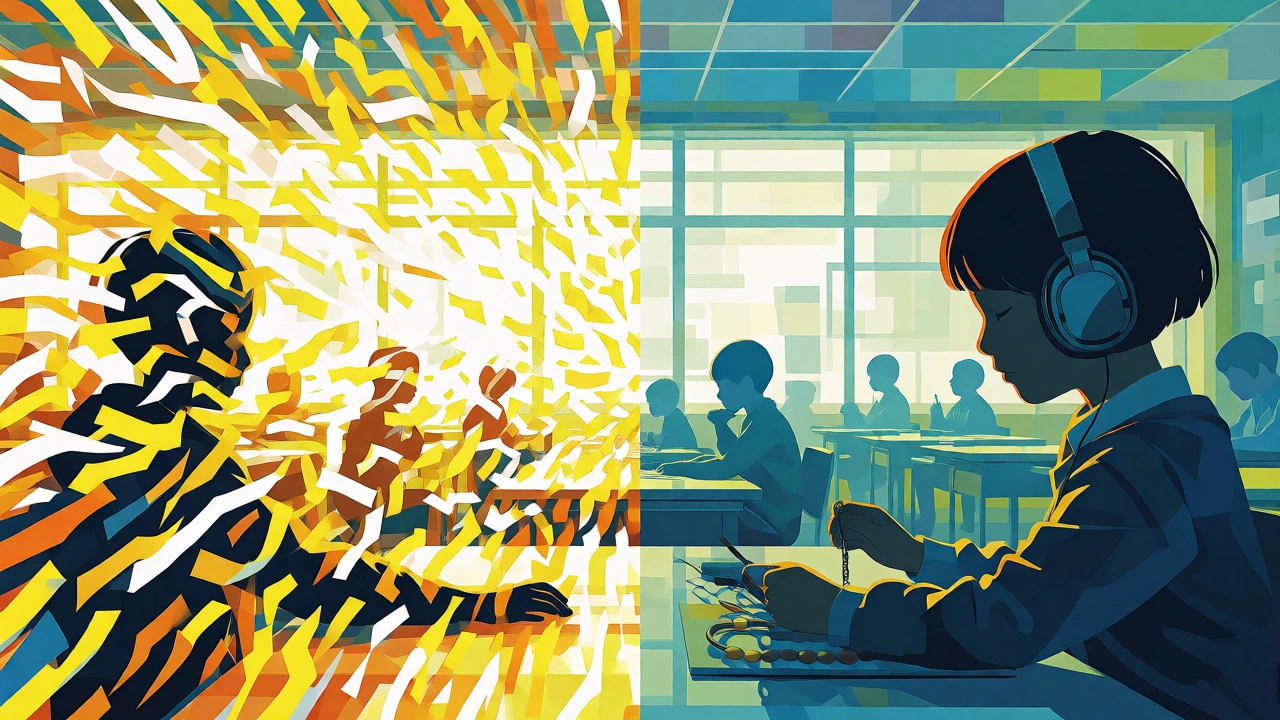
A major hurdle in supporting students with syndromes is distinguishing between behavioral issues and sensory processing difficulties. Many genetic syndromes include hypersensitivity to sound, touch, or light as a core symptom, not just a side effect.
For instance, children with Autism Spectrum Disorder (ASD), while not a single syndrome, shares genetic markers with many syndromic conditions, often exhibit repetitive behaviors and restricted interests alongside social communication challenges. When ASD co-occurs with a syndrome like Tuberous Sclerosis Complex (TSC), the sensory aversions can be intense. A student covering their ears during assembly isn't being rude; their brain is literally filtering sounds differently.
Educators should look for patterns. Does the student shut down in noisy environments? Do they seek deep pressure hugs? Are they unable to sit still due to motor control issues? These are clues pointing to the underlying syndrome. Addressing the sensory need first-by providing noise-canceling headphones or movement breaks-often resolves what looks like a disciplinary problem.
The Diagnostic Journey: From Symptoms to Syndrome
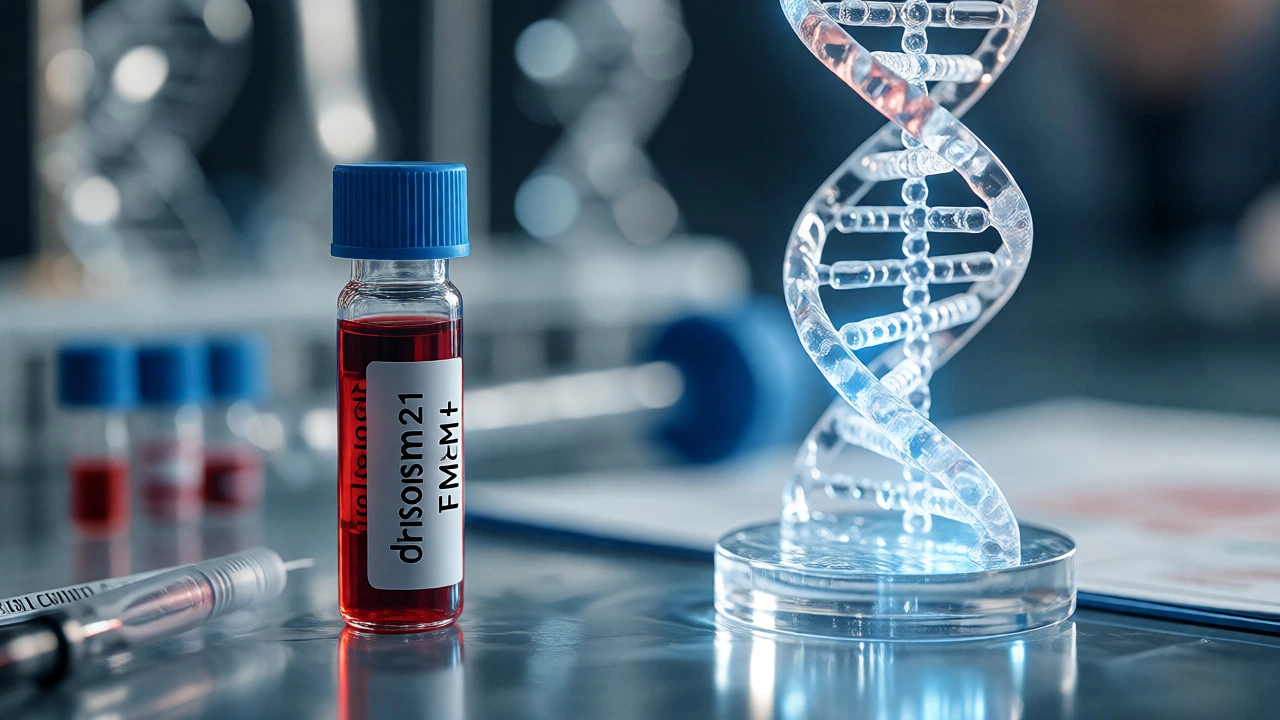
How do families find out about a syndrome? It usually starts with developmental delays. A child isn't walking by 18 months, or speech is significantly delayed. Pediatricians then refer to geneticists. The gold standard today is Chromosomal Microarray Analysis (CMA), which is a test that detects copy number variants (deletions or duplications) across the genome. This test has replaced older karyotyping methods for identifying many microdeletion syndromes.
However, testing is only the beginning. A diagnosis provides a name, but it doesn't provide a manual. Families and schools must build a support network. This involves occupational therapists for fine motor skills, speech pathologists for communication, and special education coordinators for academic accommodations.
It’s crucial to remember that a syndrome is a probability, not a destiny. While certain traits are common, individual variation is huge. A child with Down Syndrome might be a gifted artist, while another struggles with basic literacy. The label informs the approach; it doesn't limit the potential.
Comparison of Common Special Needs Syndromes
To help you visualize the differences, here is a breakdown of key attributes for several prevalent syndromes. This table highlights the primary educational implications.
| Syndrome | Cause | Primary Cognitive Profile | Educational Focus |
|---|---|---|---|
| Down Syndrome | Trisomy 21 | Mild to moderate ID; strong visual learners | Visual aids, structured routines, peer modeling |
| Fragile X | FMR1 gene mutation | ID, anxiety, ADHD-like symptoms | Low-stimulation environments, predictable transitions |
| Williams Syndrome | Chromosome 7 deletion | Verbal strengths, spatial weaknesses | Leverage music/storytelling; use manipulatives for math |
| Prader-Willi | Paternal 15q11-q13 deletion | Mild ID, rigid thinking, hyperphagia | Strict food access rules, consistent schedules |
| Rett Syndrome | MECP2 mutation | Severe ID, loss of hand use | Assistive tech, sensory integration, eye-gaze devices |
Beyond the Label: Supporting the Whole Child
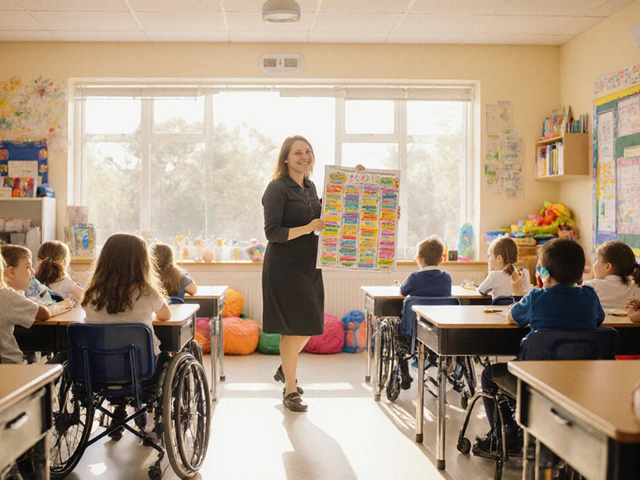
Focusing solely on the syndrome can lead to tunnel vision. You see the genetic code, but you miss the person. Every child with a special needs syndrome also has personality, preferences, fears, and talents. Some love soccer; others prefer quiet drawing. Some thrive in group settings; others need solitude.
The best educational plans integrate medical knowledge with personal observation. Talk to the parents. Ask them what works at home. Often, a strategy that fails in a clinical setting succeeds in a familiar environment. Collaboration between teachers, therapists, and families creates a safety net that no single entity can provide alone.
Also, keep an eye on comorbidities. Children with genetic syndromes are at higher risk for secondary conditions like hearing loss, heart defects, or sleep apnea. These physical issues directly impact attention span and energy levels in the classroom. If a student with Down Syndrome suddenly stops participating, check their hearing before assuming they’ve lost interest.
Future Trends in Special Needs Education
We are moving toward precision education. As genetic testing becomes cheaper and more accessible, diagnoses happen earlier. This early intervention window is critical. Neuroplasticity-the brain's ability to rewire itself-is highest in the first few years of life. Identifying a syndrome at birth allows for therapies that can mitigate some developmental delays before they become entrenched.
Technology is also playing a larger role. Apps designed for specific syndromes, such as those helping individuals with Williams Syndrome navigate social cues or those aiding motor skills in Rett Syndrome, are becoming mainstream. Schools that adopt these tools see better engagement and independence among students.
Ultimately, understanding special needs syndromes is about empathy backed by science. It removes the guesswork and replaces frustration with strategy. When you know why a child behaves a certain way, you can stop fighting the behavior and start teaching the skill.
Is every child with special needs diagnosed with a syndrome?
No. Many children have special needs due to environmental factors, premature birth, trauma, or idiopathic reasons where no specific genetic syndrome is identified. "Special needs" is a broad category that includes learning disabilities like dyslexia or ADHD, which may not have a single named syndrome.
Can special needs syndromes be cured?
Most genetic syndromes cannot be cured because they involve permanent changes in DNA or chromosomes. However, many symptoms can be managed effectively through therapy, medication, and educational support. Early intervention significantly improves quality of life and functional outcomes.
How do I know if my child has a syndrome?
Look for clusters of symptoms, not isolated issues. If your child has multiple developmental delays, unusual physical features, or recurring health problems, consult a pediatrician. They may recommend genetic testing, such as a chromosomal microarray, to identify a specific syndrome.
Do siblings have a higher chance of having the same syndrome?
It depends on the inheritance pattern. Some syndromes are inherited (like Fragile X), meaning siblings are at risk. Others, like Down Syndrome, are usually random errors in cell division and are less likely to recur, though maternal age is a factor. Genetic counseling can provide specific risk assessments for your family.
What is the difference between a syndrome and a disorder?
A syndrome is a set of symptoms that always occur together and usually has a known cause (like a genetic mutation). A disorder is a broader term for a disruption of normal functioning, which may or may not have a known cause. All syndromes result in disorders, but not all disorders are syndromes.







Write a comment