
Support Needs & Skill Assessment Tool
Functional Ability Checklist
Adaptive FunctioningSelect the level of independence for each functional area. This tool is designed to help map out goals for an Individualized Education Program (IEP) or a supported living plan.
| Skill Area | Independence Level |
|---|---|
| Communication (Basic Needs) | |
| Personal Care (Bathing/Dressing) | |
| Safety Awareness (e.g. Street Crossing) | |
| Conceptual Skills (Time/Money) | |
| Social Interaction (Peer Play/Conversation) |
Support Profile Analysis
Key Takeaways
- Severe learning disabilities involve both low cognitive ability (IQ) and poor adaptive functioning.
- Diagnosis requires a combination of clinical observation and standardized testing.
- Support focuses on "life skills" and functional independence rather than just academic achievement.
- Early intervention significantly improves the quality of life and communication abilities.
The Difference Between a Learning Disorder and a Severe Disability
People often mix up "learning disabilities" with "intellectual disabilities." It's a common mistake. If a student has dyslexia, they might be a genius at art and science but struggle to decode a sentence. That's a specific learning disorder. However, a severe learning disability is different because it is generalized. It doesn't just affect reading; it affects the ability to understand cause and effect, manage time, or follow simple two-step instructions.
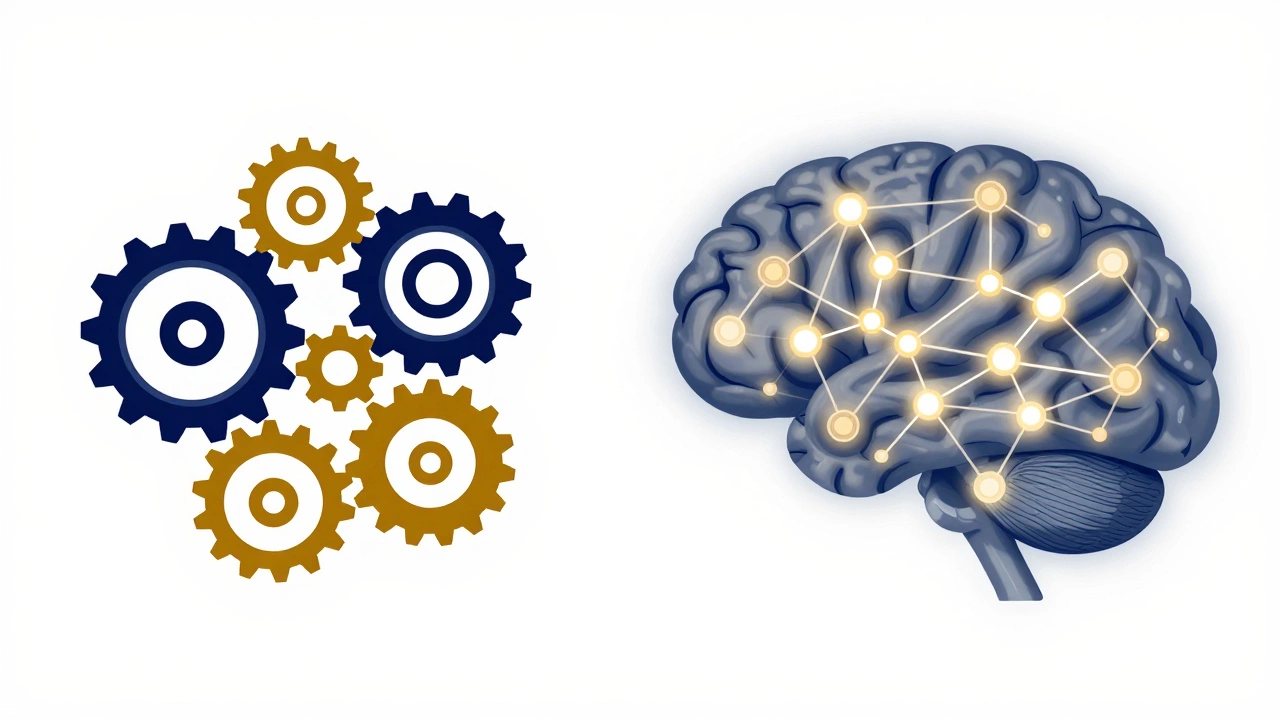
To put it simply, a person with a specific disorder has a "glitch" in one processing system. A person with a severe learning disability has a global limitation in how their brain processes and stores information. This usually means they need constant support for tasks that most of us do without thinking, like dressing themselves or crossing a street safely.
| Feature | Specific Learning Disorder (e.g., Dyslexia) | Severe Learning Disability |
|---|---|---|
| Scope | Targeted (Reading, Writing, Math) | Global (Cognitive & Adaptive) |
| IQ Level | Typically average to high | Significantly below average |
| Daily Living Skills | Usually independent | Requires significant support |
| Primary Goal | Academic mastery/compensation | Functional independence/Life skills |
How is "Severe" Actually Determined?
Doctors and psychologists don't just guess. They use a two-pronged approach to figure out if a disability is mild, moderate, severe, or profound. The first part is the IQ Test. While IQ isn't everything, it provides a baseline. In severe cases, the score usually falls between 20 and 35. But a number on a page doesn't tell the whole story.
The second, and often more important, piece is Adaptive Functioning. This looks at how the person handles real-world tasks. Can they use a spoon? Can they signal when they are hungry? Do they understand basic social cues? If someone has a low IQ but can navigate their neighborhood and manage a basic routine, they might not be classified as "severe." But when the inability to perform these tasks is pervasive, that's where the severe label applies.
For example, a child with a severe disability might struggle with "conceptual skills," such as understanding the concept of money or time. They might also struggle with "social skills," such as initiating a conversation, or "practical skills," such as bathing themselves. When these deficits exist across all three areas, a diagnosis is usually confirmed.
Common Signs and Red Flags
Signs vary by age, but there are patterns that usually emerge. In early childhood, you might notice a significant delay in speaking. While some kids are "late talkers," a child with a severe disability often fails to use single words by age two or three. They might rely heavily on gestures or crying to communicate needs because they cannot find the words.
As they enter school age, the gaps become more obvious. They may struggle with basic concepts like "big" vs "small" or "hot" vs "cold." Their motor skills might be delayed, meaning they struggle with holding a pencil or buttoning a shirt. Socially, they might not interact with peers in a typical way, often preferring the company of adults or struggling to understand the basic "rules" of play.
It's also common to see co-occurring conditions. Many people with severe learning disabilities also deal with Autism Spectrum Disorder or physical health issues like epilepsy. This layering makes the disability more complex because the behavioral challenges of autism can mask the cognitive strengths of the individual, or vice versa.
The Path to Support: IEPs and Life Skills
Once a diagnosis is in place, the focus shifts from "why is this happening?" to "how do we help?" In the school system, this happens through an Individualized Education Program (IEP). For a student with a severe disability, the IEP looks very different from a standard one. Instead of focusing on grade-level reading, the goals are focused on functional literacy.
What does functional literacy look like? It's not about analyzing a novel; it's about recognizing a "Stop" sign, identifying their own name in print, or using a picture board to tell a teacher they need the restroom. This is called a "Life Skills Curriculum." The goal is to move the person toward the highest possible level of independence.
Support usually involves a team of experts:
- Speech-Language Pathologists: Working on alternative communication methods, like PECS (Picture Exchange Communication System).
- Occupational Therapists: Helping with fine motor skills and sensory integration.
- Behavioral Analysts: Using positive reinforcement to reduce self-harm or aggressive outbursts.

Living with a Severe Disability: The Adult Perspective
The transition to adulthood is one of the hardest phases. The "cliff" happens when school services end. For adults with severe learning disabilities, the goal is typically "supported living." This means they might live in a group home or with family, but with a caregiver who helps them manage medications, hygiene, and nutrition.
Vocational training is also key. While a traditional 9-to-5 office job isn't realistic, many adults find immense pride in "sheltered workshops" or supported employment. This could be simple tasks like sorting mail, folding laundry, or gardening. These activities aren't just about productivity; they are about dignity, routine, and social connection.
The emotional toll on caregivers is real. Managing a severe disability requires a level of vigilance that can lead to burnout. Finding respite care-temporary professional care that gives parents a break-is not a luxury; it's a necessity for the long-term health of the family.
Can a severe learning disability be "cured"?
No, a severe learning disability is a lifelong neurological condition. It cannot be cured with medication or a specific diet. However, the impact of the disability can be significantly reduced through early intervention and consistent therapy, allowing the person to gain new skills and improve their quality of life.
What is the difference between severe and profound?
The distinction usually lies in the level of support needed. Those with a severe disability can often learn basic self-care and simple communication. Those with a profound disability typically have much lower IQ scores (usually below 20) and require 24-hour nursing care and total assistance with all physical needs, including eating and movement.
Will my child ever be able to read if they have a severe disability?
It depends on the individual, but traditional reading is often a struggle. Many focus on "environmental print"-recognizing symbols, logos, and signs. Some may learn to read very simple sight words, but the focus is usually shifted toward communication tools like tablets or picture boards to ensure they can express themselves.
How do I know if I should seek a formal diagnosis?
If you notice your child is missing major milestones-such as not walking or talking by the expected age-or if they seem unable to understand basic cause-and-effect relationships, you should contact a pediatrician. A referral to a developmental pediatrician or a child psychologist is the first step toward a formal assessment.
Does a severe learning disability always come with behavioral issues?
Not always, but it's common. Most behavioral issues stem from frustration. If a person cannot communicate that they are in pain or hungry, they may lash out or engage in repetitive behaviors (stimming) to cope. When communication barriers are lowered through therapy, behavioral issues often decrease.
Next Steps for Families
If you are currently navigating a new diagnosis, the first step is to gather your paperwork. Ensure your child's school has a current psychological evaluation so they can build an accurate IEP. Don't be afraid to advocate for a "full-time aide" if the disability is severe enough that the student cannot stay safe without one-on-one supervision.
For parents of adults, look into government disability benefits and state-funded long-term care planning. Establishing a Special Needs Trust is also a smart move to ensure your child is taken care of financially without disqualifying them from essential government aid. Remember, the goal isn't to make them "normal," but to make their life as full and autonomous as possible.






Write a comment